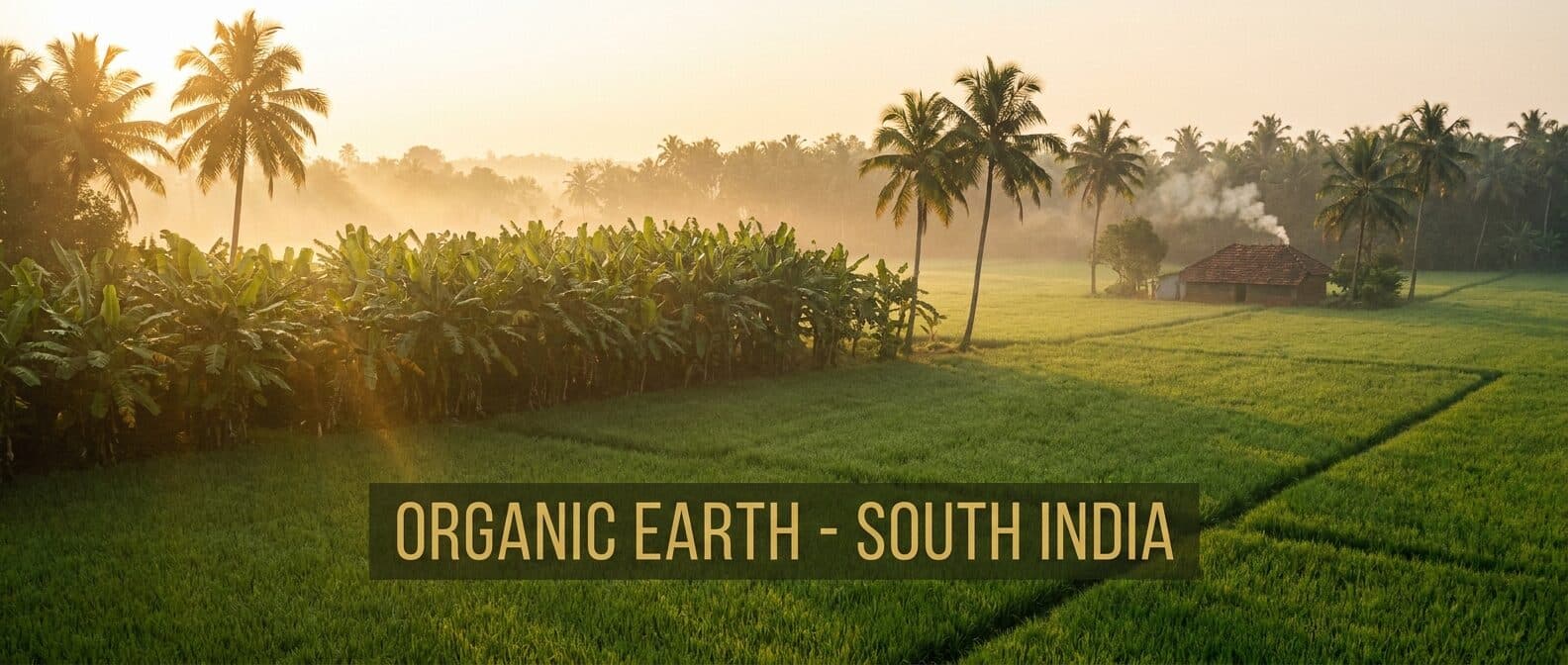
Paddy fields and coconut palms at sunrise

Our story

Rooted in a village kitchen
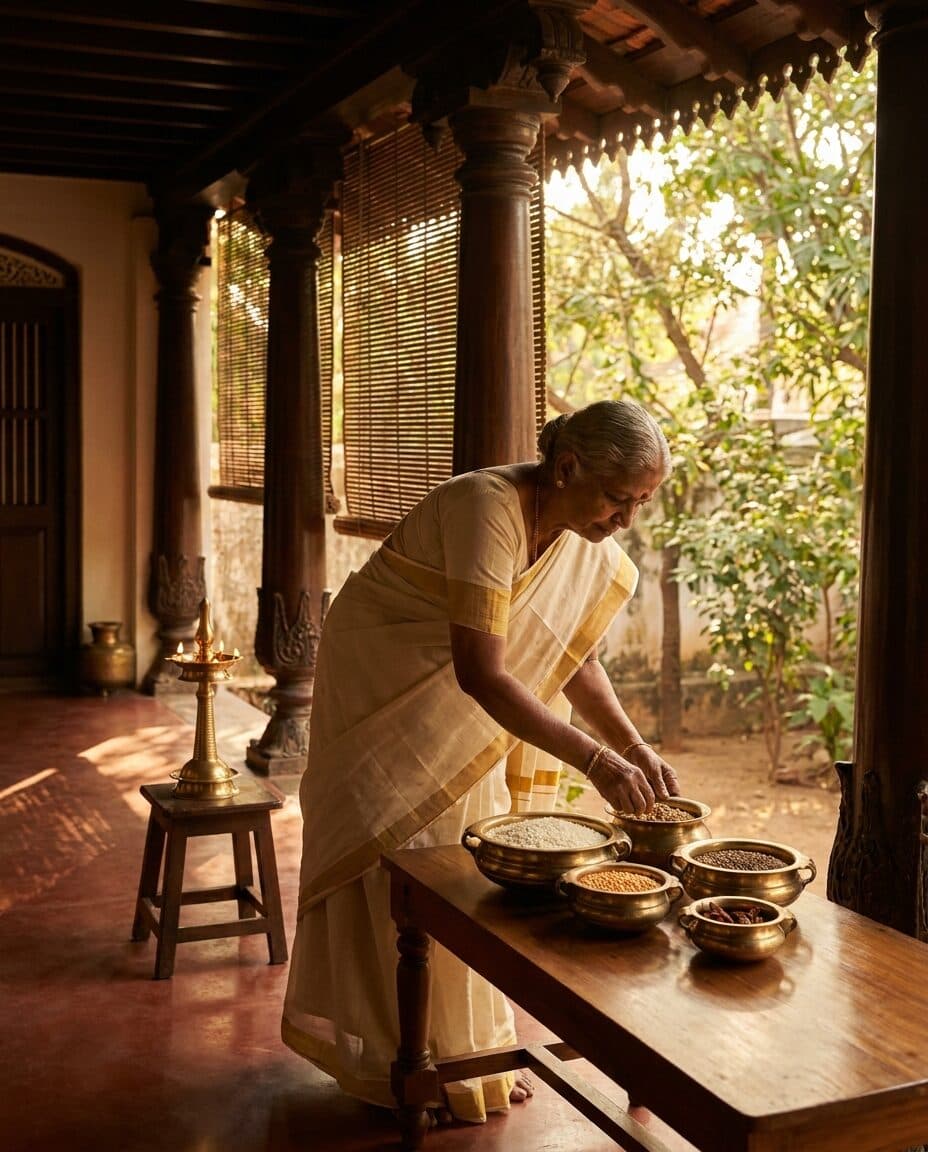
Traditional South Indian veranda with brass vessels

It started with a question our grandmother asked

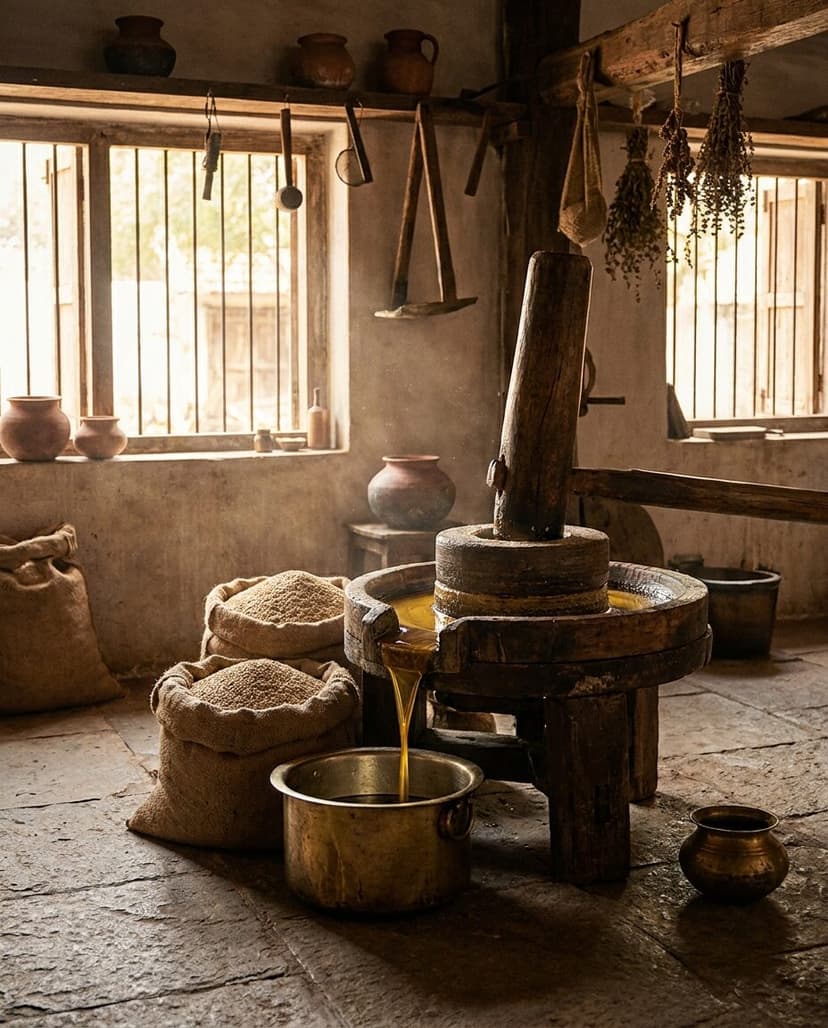
“Why does the oil smell of nothing?” In 2018, in a small village near Zaheerabad, that one question sent us looking for the wooden ghani her generation trusted — and we found the last one in the district gathering dust.

We restored it, pressed our first hundred litres of groundnut oil, and sold out in a week. Today Madhura Naturals works with over 200 natural-farming families across Telangana, Andhra and Karnataka — but every product still answers to that first question. If it doesn't smell like the seed, the churn, the mill — it doesn't leave the unit.

What we refuse to compromise

The Madhura principles

Slow over fast

A wooden ghani takes four hours to press what a factory does in minutes. We choose the four hours, every time.

Farmer first

We pay 15–20% above market rate and commit to whole harvests, so our farmers can stay chemical-free with confidence.

Nothing hidden

Batch dates, farm clusters and lab reports for every product. If we can't trace it, we don't sell it.

Tradition, tested

Grandmother's methods, validated by modern labs. Heritage and evidence, together.

The people behind the pack

Ramulu anna has farmed without urea for eleven years. Lakshmamma garu leads the women's collective that stone-mills our flours. Every Madhura pack names its farm cluster because food should come from people, not from nowhere.

Meet the farms on our blog
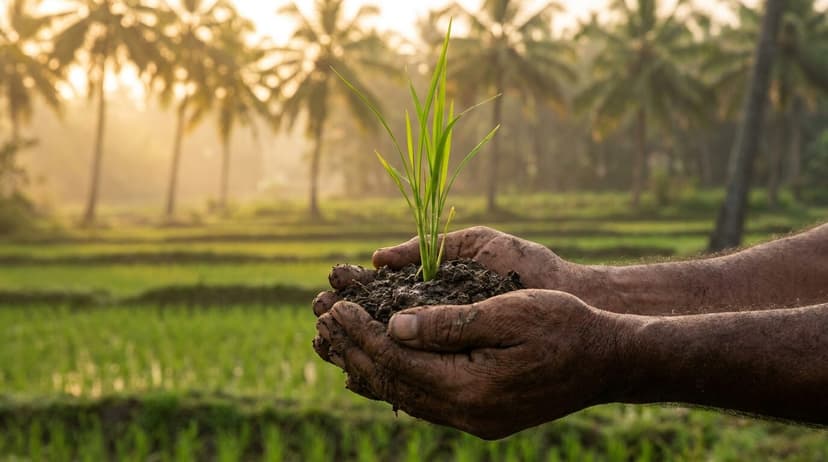
Farmer's hands holding soil and seedling
Wooden ghani pressing oil